Products
Contact us for inquiries and orders.

Bridges and light coastal protection. Although not as strong, they work the same way as armor rock. Because they are lighter, they are easy to lift and place using mobile equipment such as loaders, backhoes and cranes.
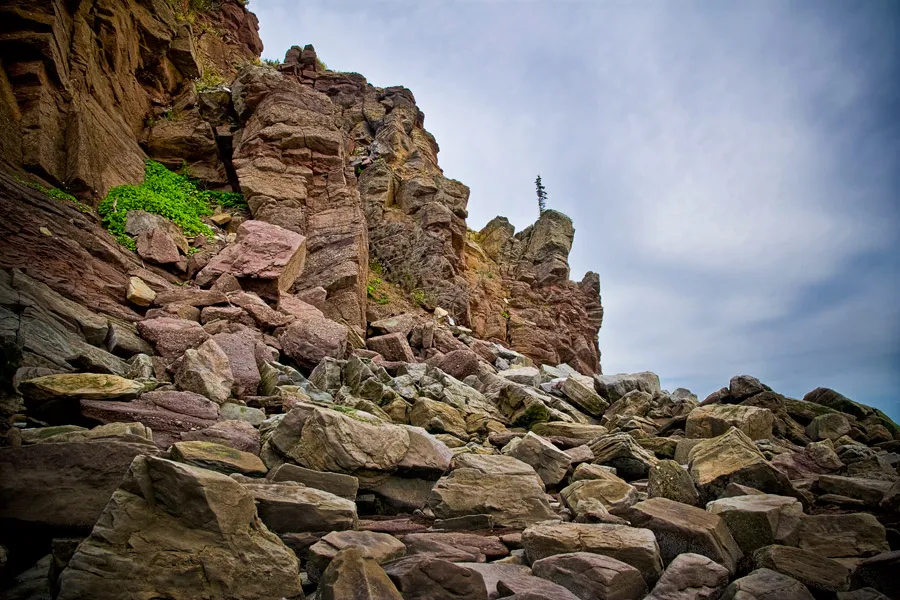
Slope protection (riprap) and road masonry. Headsize boulders are versatile because they can be lifted and placed manually.
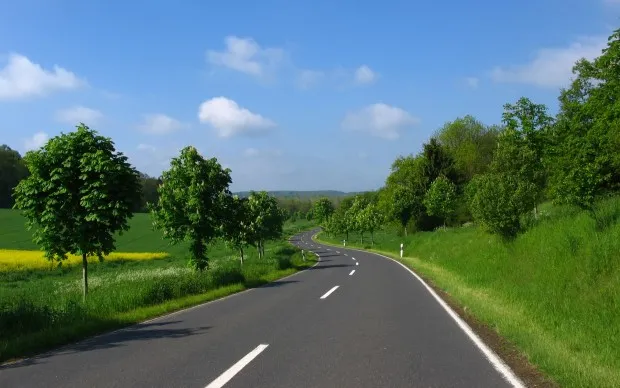
Portland cement pavement concrete. Department of Public Works and Highways (DPWH) arterial and secondary concrete road pavements are typically 280 mm thick and have no steel reinforcement. G-1 and G-2 aggregates produce cost-effective concrete that needs less cement to achieve the required strength. They resist abrasion damage and concrete scaling due to road traffic.

Structural concrete for houses, buildings and bridges. Reinforcing bars and formwork create tight spaces that hinder the flow of fresh concrete. Using smaller aggregates reduces the risk of trapping material and creating rock pockets and honeycombs.
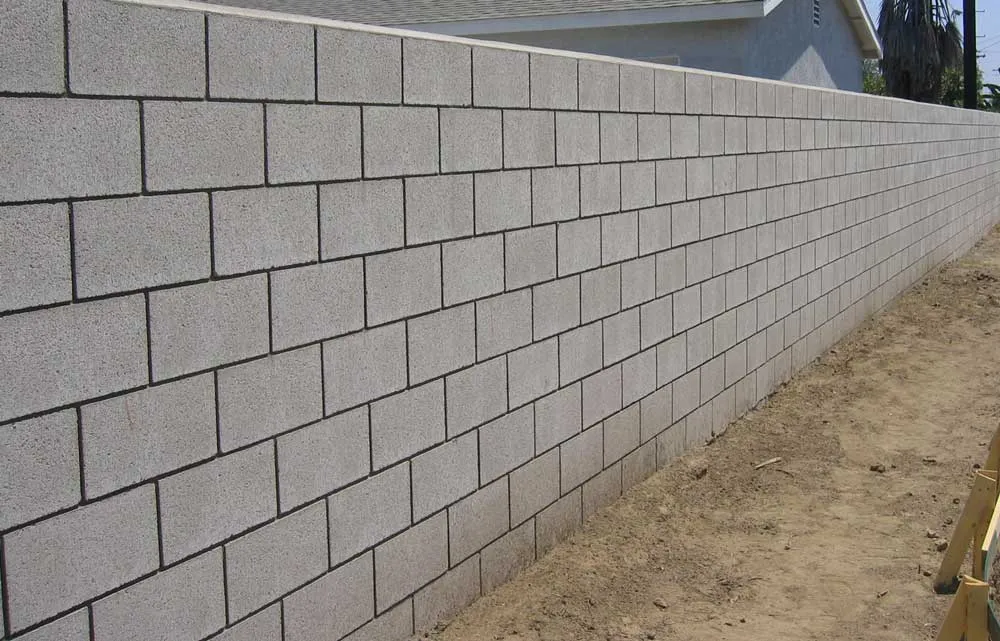
Concrete hollow blocks. Also used as blending aggregates for structural concrete and asphaltic concrete. Blending makes a well-graded rock skeleton. It increases density, requires less binder, and is stronger and more durable.
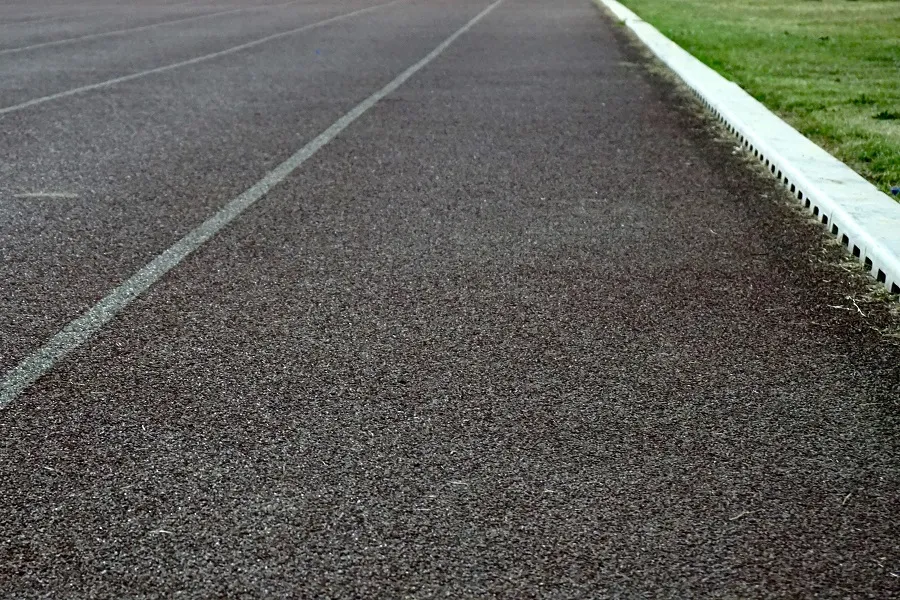
Used in almost all concrete applications. Sand fills the voids between larger aggregates, improves workability, increases the bond with the cement paste, and reduces cracking and shrinkage during curing.
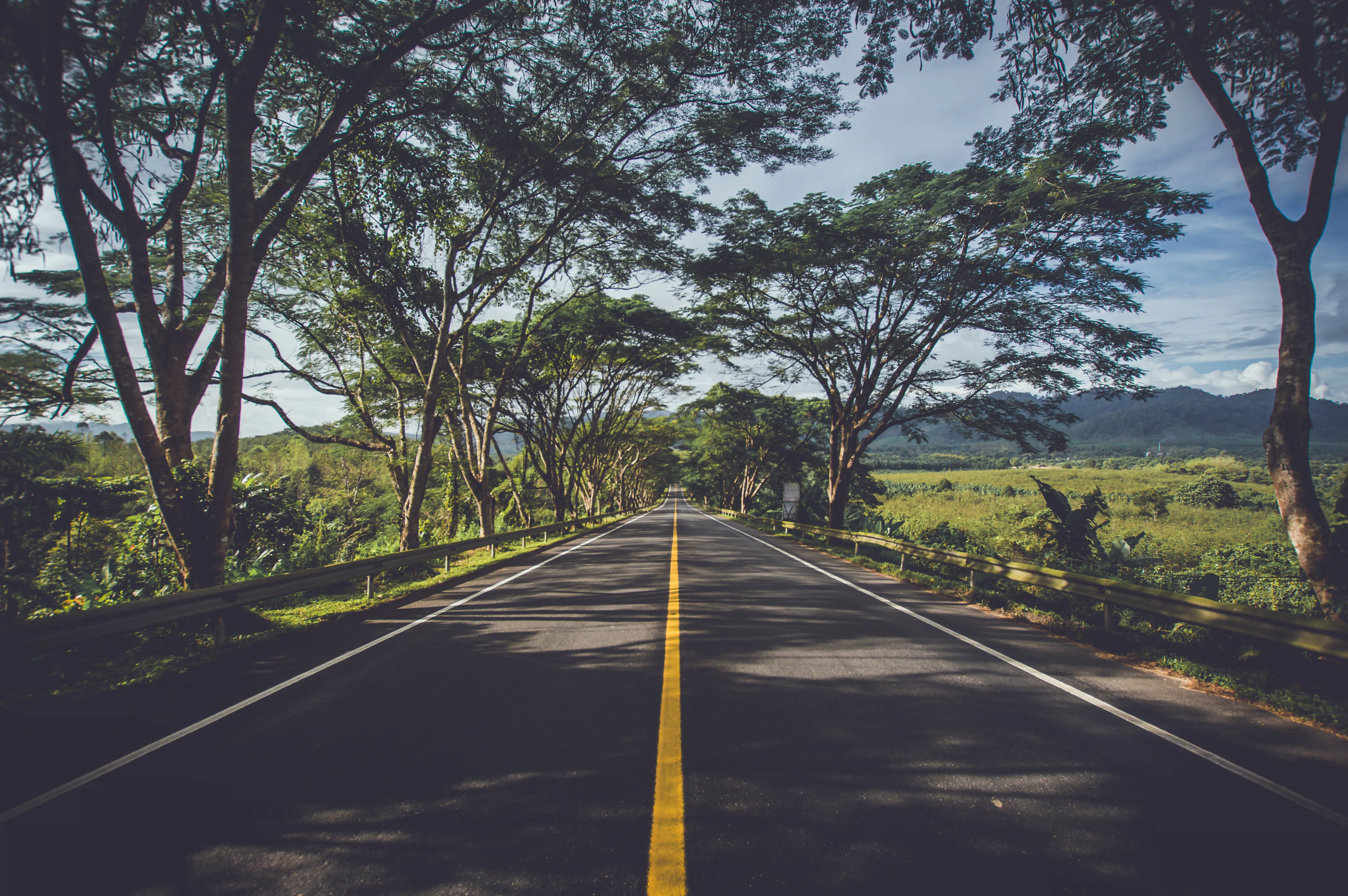
In road construction, this structural layer of crushed material on top of a subgrade or embankment and below the pavement distributes traffic wheel loads and increases the pavement’s resistance to deformation.
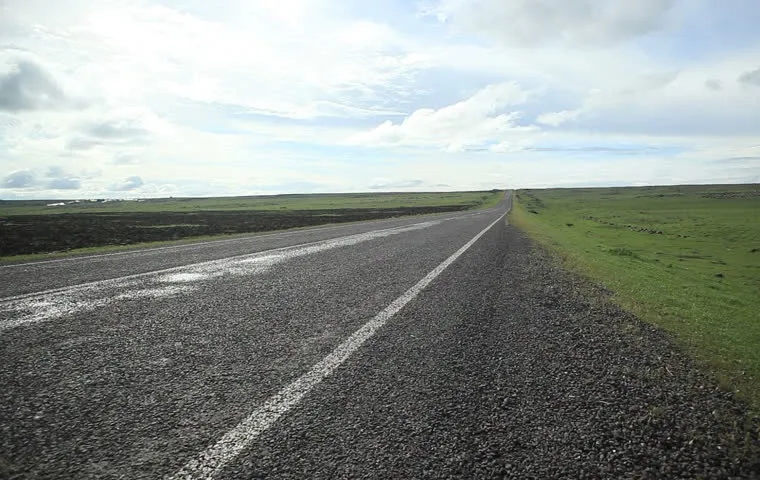
Some pavement designs include a layer of sub-base course to provide additional structural support and improve drainage.
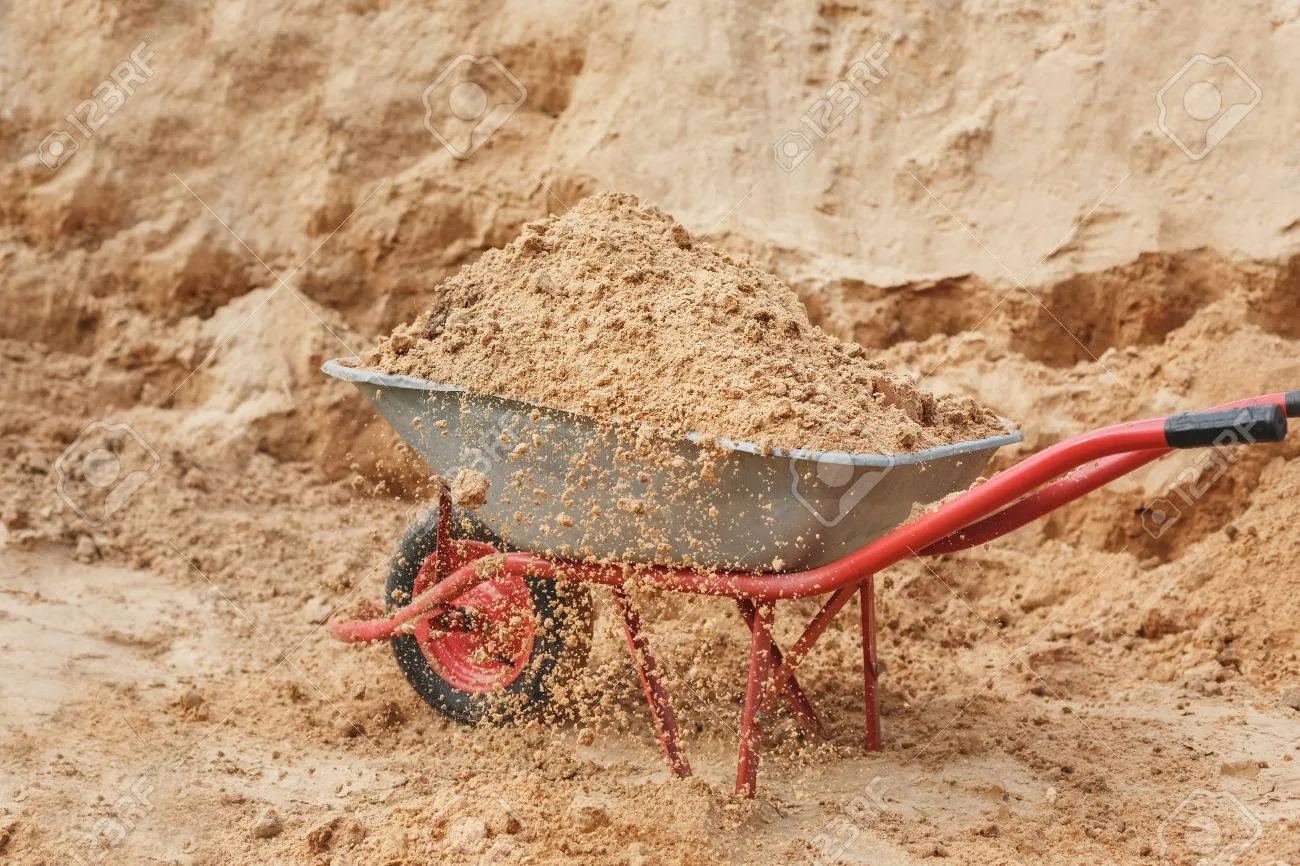
These bedding or backfill materials under roads and foundations are used to raise the ground to the design elevation and to level the surface.